Type: Civic
Year: 2024
Stage: Concept, Research and Thesis
London is full of public services open to everyone, each with its own visual language: the telephone box, the police station, the GP surgery, the post box, the bus stop, the Underground station. These service points, as the project calls them, are scattered across the city's infrastructure, often planned with no relationship to one another.
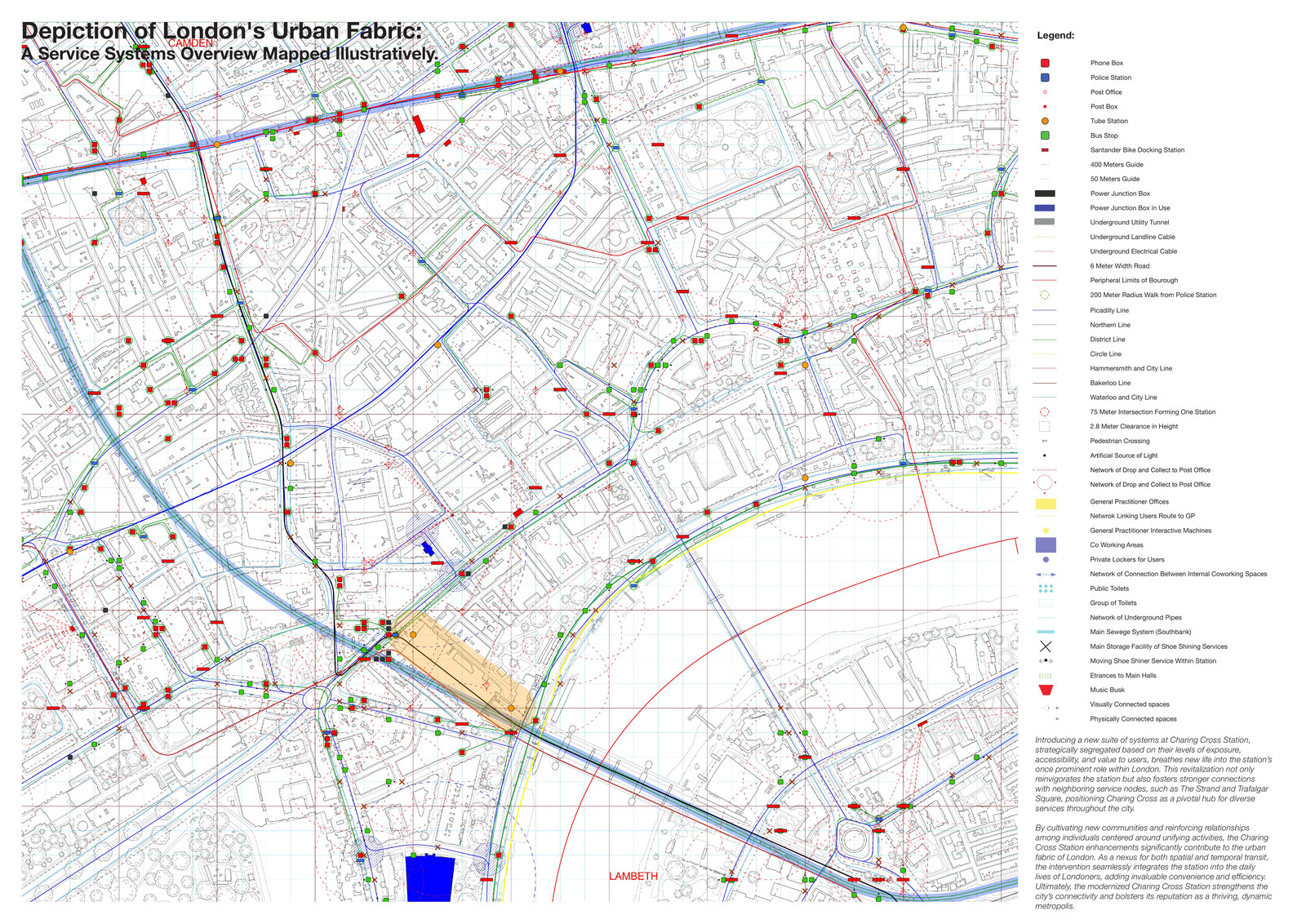
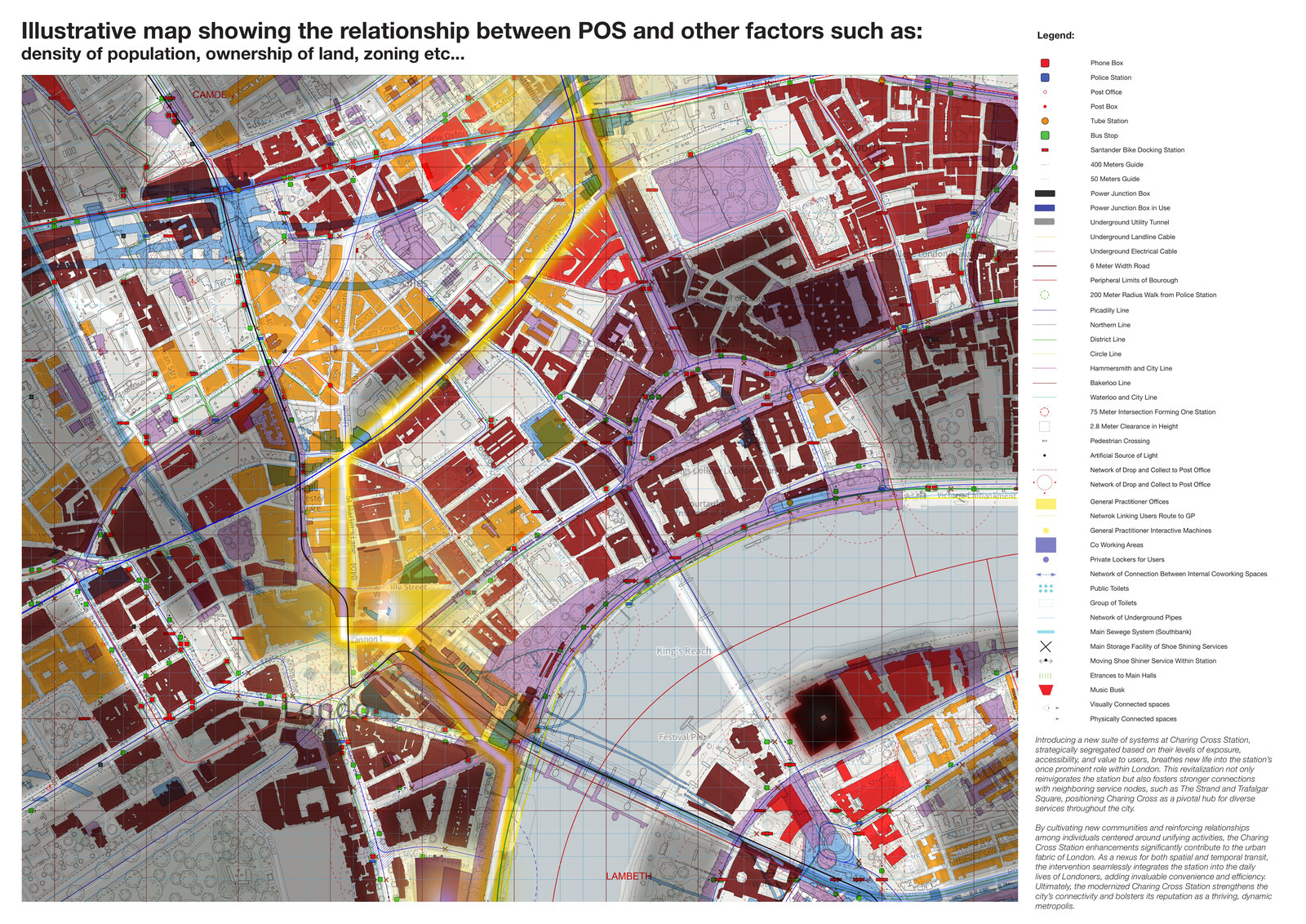
This university project began with research at the scale of the city. Mapping every service point London has to offer showed where they converge, and the area with the most was Charing Cross station. The station was then visited many times, to use its services and watch how people move through it.
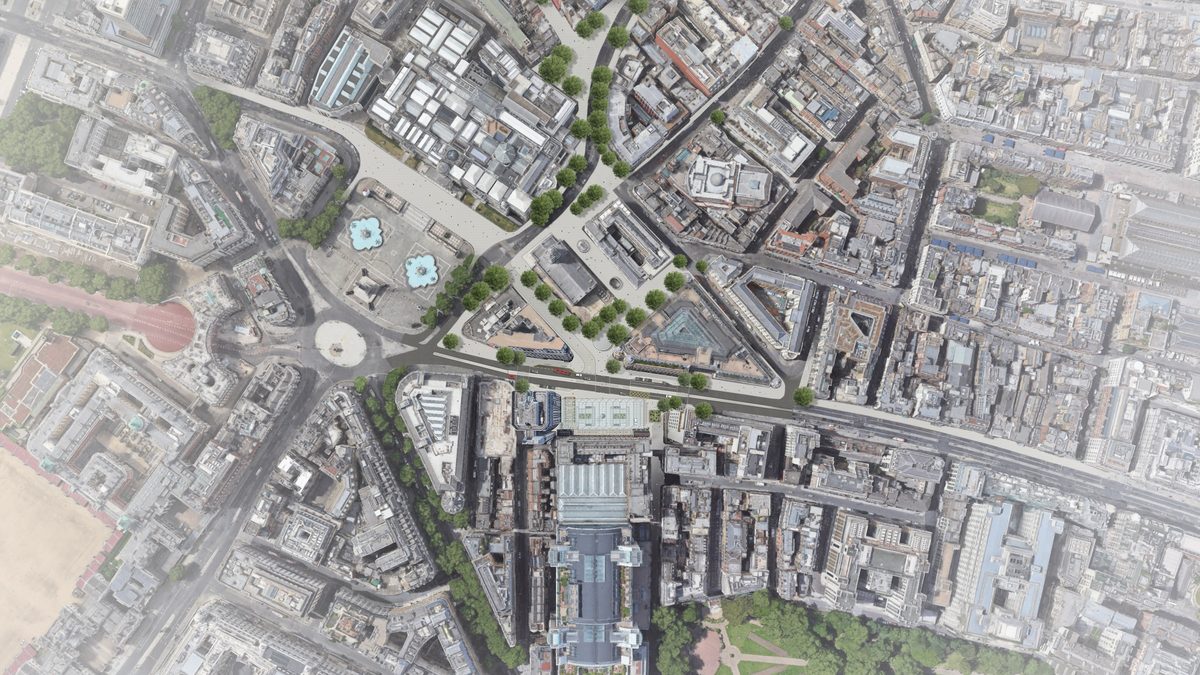
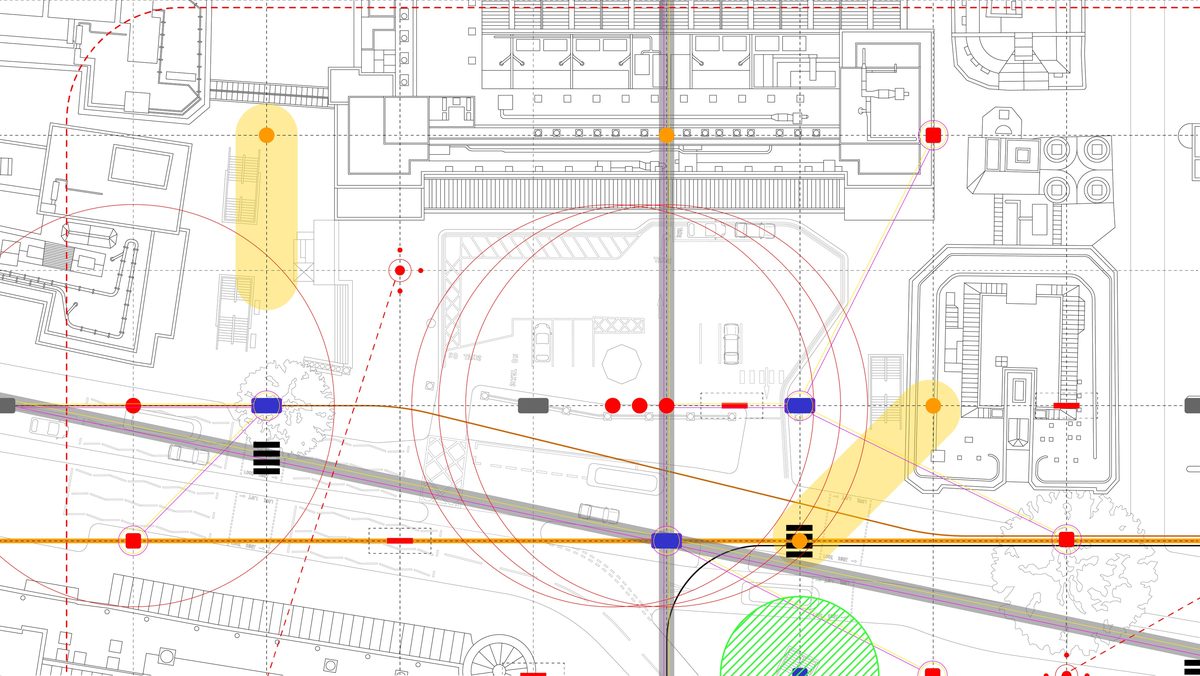
Three problems stood out. The use of the site swings between extremes: it is packed at peak hours and almost empty the rest of the time. Its services are hard to spot and do little to invite people to use them. And much of the space around the station is wasted, because nothing draws the public in. The square in front of the entrance has become a dead, purely transitory zone between Trafalgar Square and the station, where pedestrians, travellers, buses and taxis cross in scattered, unorganised movement.
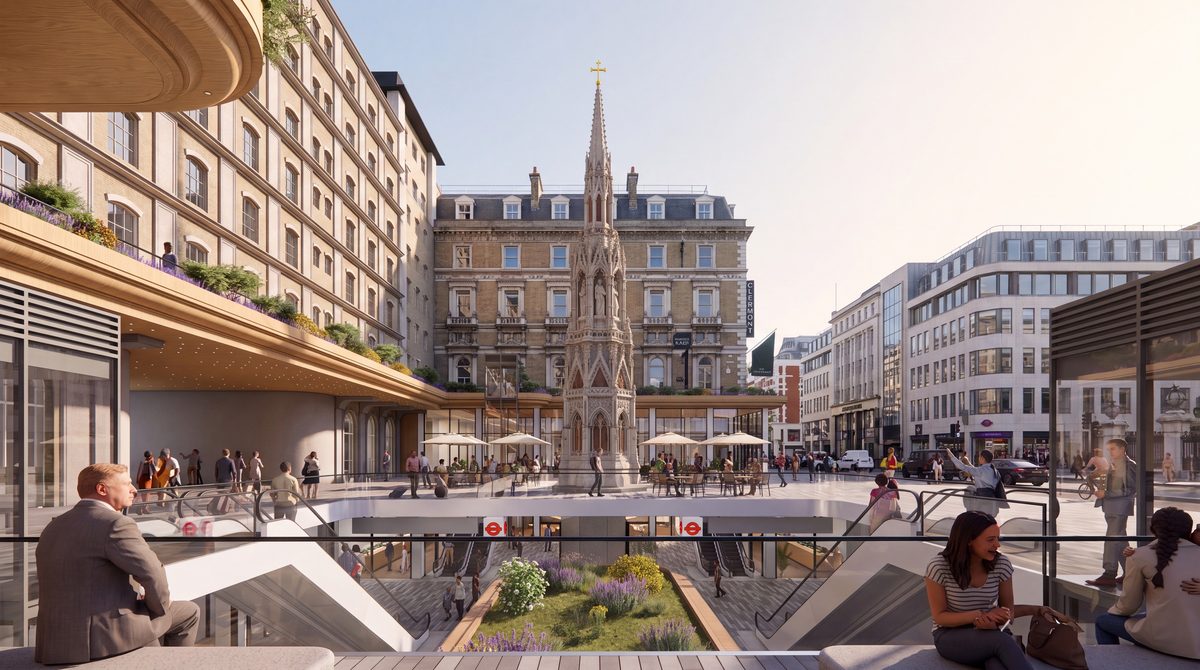
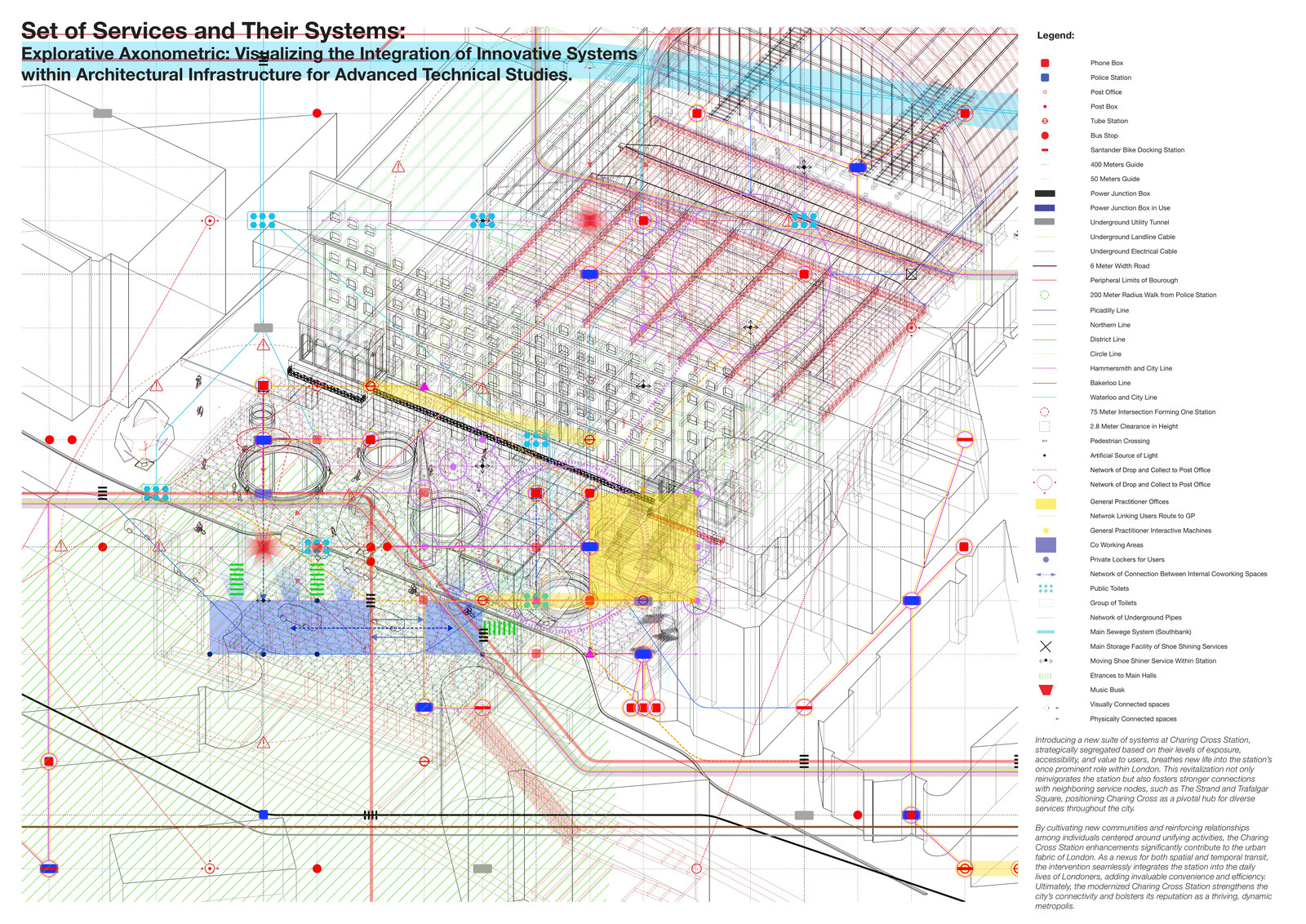
The project sets out to celebrate these services. The square becomes an extension of Trafalgar Square, St Martin-in-the-Fields and the Strand, with its circulation organised so that people and vehicles no longer cross at random. Foyers open from the square down to the lower level, which holds the existing Underground station, and an open-plan architecture around them invites people to spend time there and use the services around them.
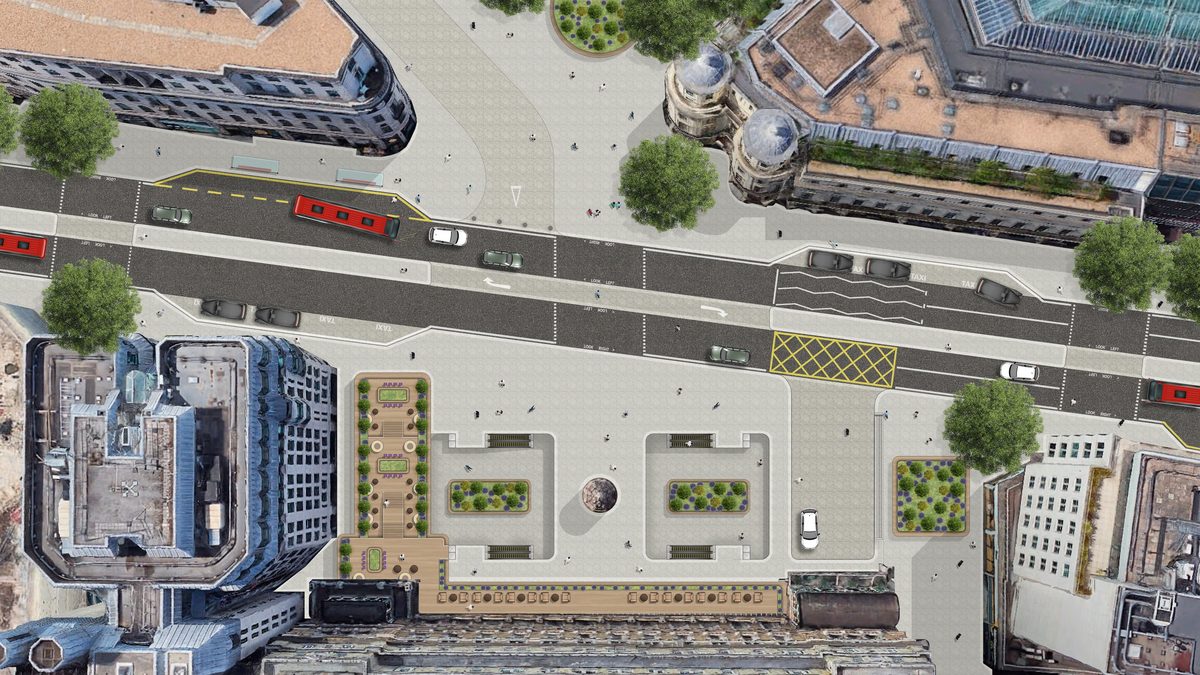

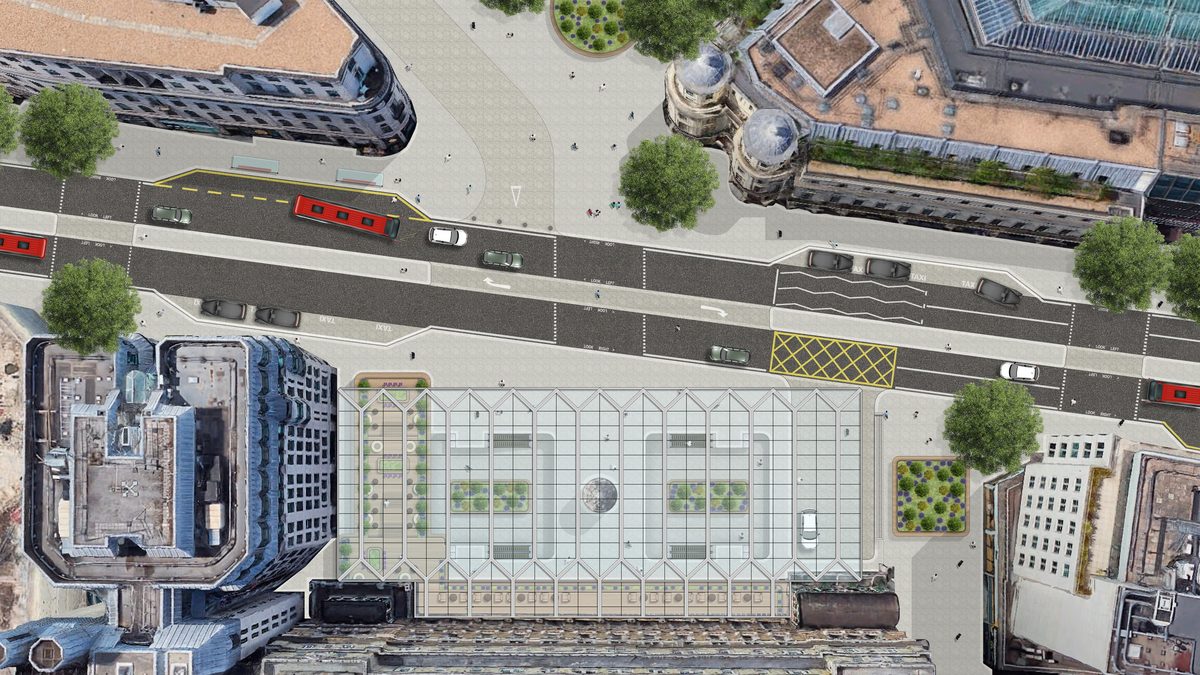
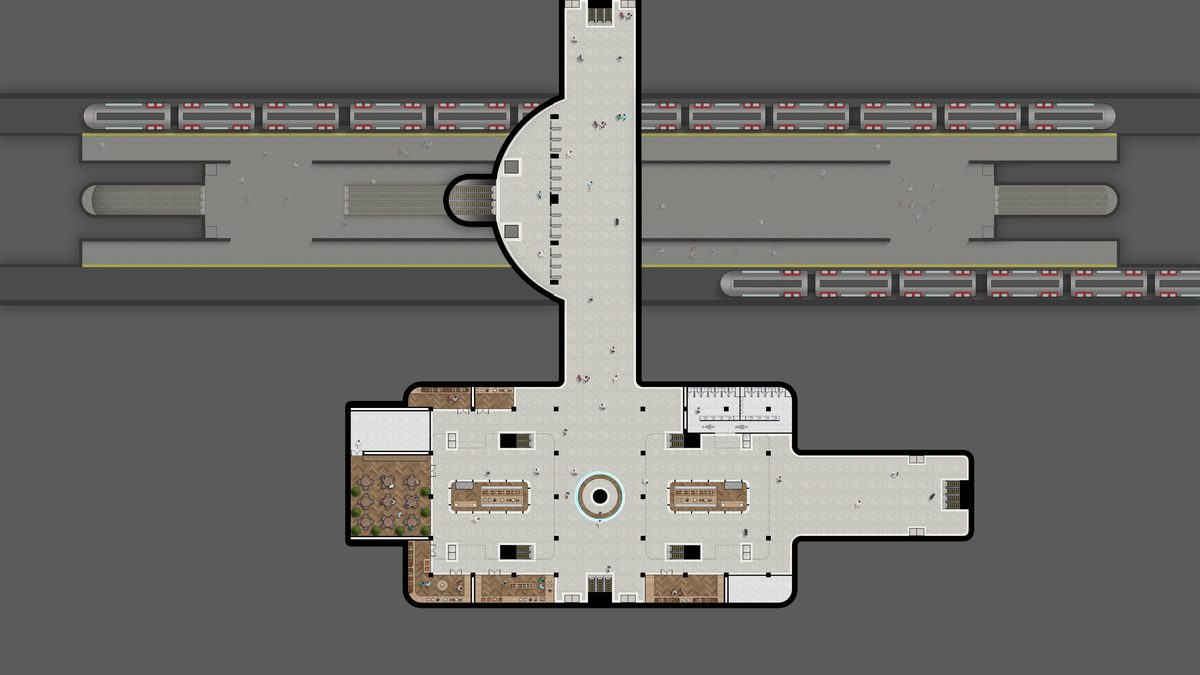
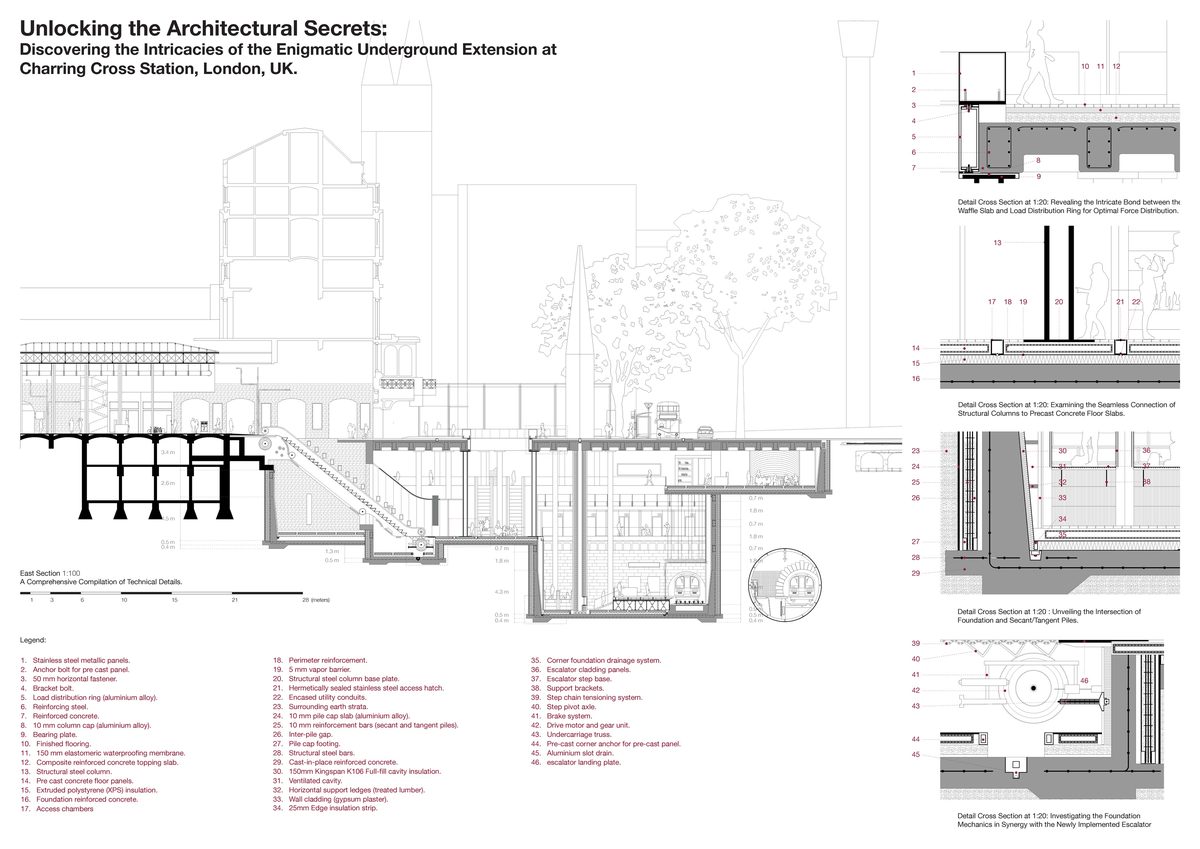
The station then becomes a destination in the centre of London, built from the infrastructure the city already has.
Type: Civic
Year: 2024
Stage: Concept, Research and Thesis
London is full of public services open to everyone, each with its own visual language: the telephone box, the police station, the GP surgery, the post box, the bus stop, the Underground station. These service points, as the project calls them, are scattered across the city's infrastructure, often planned with no relationship to one another.
This university project began with research at the scale of the city. Mapping every service point London has to offer showed where they converge, and the area with the most was Charing Cross station. The station was then visited many times, to use its services and watch how people move through it.
Three problems stood out. The use of the site swings between extremes: it is packed at peak hours and almost empty the rest of the time. Its services are hard to spot and do little to invite people to use them. And much of the space around the station is wasted, because nothing draws the public in. The square in front of the entrance has become a dead, purely transitory zone between Trafalgar Square and the station, where pedestrians, travellers, buses and taxis cross in scattered, unorganised movement.
The project sets out to celebrate these services. The square becomes an extension of Trafalgar Square, St Martin-in-the-Fields and the Strand, with its circulation organised so that people and vehicles no longer cross at random. Foyers open from the square down to the lower level, which holds the existing Underground station, and an open-plan architecture around them invites people to spend time there and use the services around them.
The station then becomes a destination in the centre of London, built from the infrastructure the city already has.